Custom Liquid Soap Manufacturing: What Brands Need to Know

Custom Liquid Soap Manufacturing: What Brands Need to Know

Liquid soap is the dominant format across most soap and cleaning product categories — personal care, household cleaning, laundry, foodservice, industrial, automotive, and professional use. If you’re developing a soap product for your brand, chances are it’s a liquid.

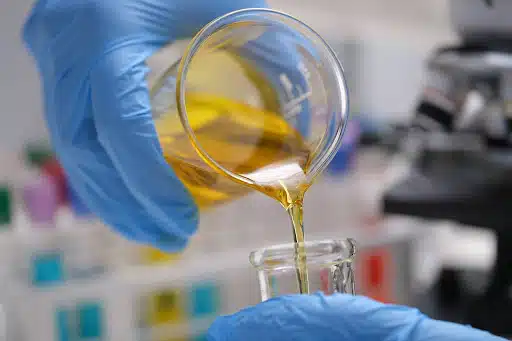
Custom liquid soap manufacturing is the process of developing a liquid soap, detergent, body wash, shampoo, or specialty cleaning formula built specifically to your specifications — and producing it at scale. It covers everything from a moisturizing hand soap for a spa brand to a commercial-grade degreaser for an industrial distributor.

This article covers what’s specific to liquid soap manufacturing: how it differs from bar soap production, what product types fall under the category, what brands control in a custom formula, and what to look for in a manufacturer.

Table of Contents

Liquid Soap vs. Bar Soap Manufacturing

Liquid and bar soap are fundamentally different products — different chemistry, different manufacturing processes, different packaging requirements, and different production timelines.

Bar soap is made through a saponification process — reacting fats or oils with an alkali — or through melt-and-pour methods. It requires curing time (typically 4–6 weeks for cold-process bar soap), hardness testing, and cutting and wrapping equipment. Bar soap is a more complex manufacturing proposition, particularly for small runs.

Liquid soap is produced through blending, mixing, and sometimes heating processes that are faster and more flexible. Key variables — pH, viscosity, surfactant concentration, fragrance intensity — are easier to adjust during production. Liquid soap doesn’t require curing time, which shortens the path from formula approval to finished product.

For most brands developing a product line — particularly in personal care, household cleaning, or specialty categories — liquid soap manufacturing is the more practical and efficient path. The formula development process is faster, the production run can begin sooner after sign-off, and the fill range accommodates everything from single-serve amenity packets to bulk industrial containers.

For the full picture of how custom soap manufacturing works — including how to choose between white label, private label, and custom formulation — see Custom Soap Manufacturing: What Brands Need to Know. For a detailed walkthrough of the formulation process specifically, see Custom Soap Formulation: Create Your Signature Formula.

What Counts as Liquid Soap Manufacturing

“Liquid soap” covers a wide range of products across several categories. Understanding the full scope helps clarify what a manufacturer capable of custom liquid soap production can actually develop for your brand.

Personal care liquid soaps:

  • Liquid hand soap (standard pump, foaming pump, antibacterial)
  • Body wash and shower gel
  • Shampoo and conditioning shampoo
  • Conditioning treatments
  • Baby wash and sensitive-skin formulas
  • Specialty formulas (clarifying shampoo, color-safe, sulfate-free)

Household and cleaning products:

  • Dish soap and dishwashing liquid
  • Multi-surface cleaners
  • Bathroom and kitchen cleaners
  • Floor cleaners and degreasers
  • Glass cleaners

Laundry products:

  • Liquid laundry detergent
  • Fabric softener
  • Stain treatment products

Industrial and commercial formulas:

  • Commercial kitchen degreasers
  • Industrial hand cleaners
  • Automotive and marine cleaning products
  • Institutional-grade disinfectants and sanitizers

Professional-use products:

  • Tincture of green soap (standard for tattoo and medical prep)
  • Salon-grade shampoos and treatments
  • Medical-grade hand cleaners

Cosco’s personal care and laundry care programs represent two of the major liquid soap categories. The full product range also includes household, automotive, pet care, and specialty formulas — developed and produced in the same 40,000 sq ft Ridgewood, NY facility since 1966.

What You Control in a Custom Liquid Soap Formula

Custom liquid soap manufacturing gives you control across every variable that shapes how the product performs and how it’s perceived:

Surfactant system. Surfactants are the functional core — they allow the formula to lift oil and dirt from surfaces or skin. Surfactant choice determines lather quality, skin compatibility, biodegradability, and price point. Sulfate-based systems (SLS, SLES) produce strong lather but face consumer resistance in sensitive-skin and natural markets. Glucoside- and amino acid-based alternatives are gentler and increasingly standard in clean beauty formulas. The EWG Verified program is a common reference for brands targeting ingredient transparency. Of all the variables in a custom liquid soap formula, surfactant choice has the most downstream effect — it shapes lather, skin feel, cost, and whether natural or eco claims are achievable. Specifying your surfactant direction in the brief early makes every other formulation decision easier to align.

Performance profile. A hand soap developed for frequent professional use (stylists, healthcare workers, kitchen staff) has different performance requirements than one developed for home use or a boutique spa. Conditioning agents, skin feel after rinsing, foam behavior — all can be specified and optimized in a custom formula.

Fragrance. Liquid soap formulas carry fragrance in a way that interacts with other formula components. Scent intensity, stability over time, and performance on skin after rinsing are all formula-level decisions, not just fragrance selection decisions. A manufacturer with fragrance development experience can guide you through scent options that are stable and compatible with your surfactant system.

Viscosity. Consistency is a quality signal. A liquid soap that’s too thin reads as cheap; one that’s too thick may have dispensing problems. Viscosity is controlled through the formula (thickening agents, salt levels, polymer additions) and must be calibrated for your specific packaging and pump type.

Preservative system. Any water-based liquid formula requires preservation. Preservative selection involves regulatory compliance, consumer perception (parabens vs. alternatives), and formula stability. FDA cosmetic labeling regulations govern what must be disclosed and how.

Active ingredients. Antibacterial actives, vitamins, botanical extracts, conditioning agents — each active ingredient added to a formula carries its own concentration requirements, regulatory implications, and stability considerations.

Fill Range and Packaging for Liquid Soap

One of the practical advantages of liquid soap manufacturing is fill flexibility. Unlike bar soap, which is constrained by mold size and cutting equipment, liquid soap can be filled into a wide range of containers:

  • 1 oz and 2 oz travel or amenity sizes
  • 8 oz, 12 oz, 16 oz consumer retail sizes
  • 32 oz and 64 oz refill and professional sizes
  • 1-gallon and 5-gallon bulk containers
  • 55-gallon drums for industrial and institutional use
  • 275-gallon totes for large-volume commercial customers

Cosco’s fill infrastructure at the Ridgewood facility covers the full range — from consumer retail sizes through bulk containers — with 12+ filling lines and blending tanks from 55 to 5,000 gallons.

Industries and Applications

Custom liquid soap manufacturing serves a wide range of end markets, each with distinct requirements:

Personal care brands — DTC e-commerce brands, private label lines for salons and spas, branded retail lines — typically focus on skin feel, fragrance, and ingredient story. The target is a consumer who reads labels and has opinions about what’s in the product.

Foodservice and commercial kitchens require heavy-duty degreasers and hand soaps that meet health code requirements and handle the volume of professional use. Formula strength and regulatory compliance matter more than sensory experience.

Healthcare and institutional facilities need hand hygiene products that meet specific efficacy and skin safety standards. Frequent use by practitioners means conditioning agents are as important as antimicrobial performance.

Automotive and marine businesses use specialty degreasers, engine cleaners, and surface treatments formulated for non-skin surfaces, often in bulk packaging formats.

Professional beauty and tattoo studios depend on specific professional-grade formulas — green soap being the most widely recognized — that are developed to professional-use standards and available in sizes that work for chair-side service.

Each of these markets has different formula priorities, regulatory requirements, and packaging formats. The right manufacturer is one with active production experience in your specific category — not just broad “liquid soap” capability.

Packaging compatibility. Not every liquid soap formula works in every container. Viscosity must be calibrated for the pump mechanism (standard pump vs. foaming pump require different formula viscosities). Container material must be compatible with the formula chemistry. Contract packaging that covers filling, labeling, and assembly under one roof removes the coordination risk of managing these variables across multiple vendors.

Choosing a Custom Liquid Soap Manufacturer

A manufacturer capable of high-quality custom liquid soap manufacturing combines chemistry expertise, production flexibility, and end-to-end capability:

In-house laboratory. Custom liquid soap development requires active chemistry work — adjusting surfactant blends, testing viscosity, evaluating stability. A manufacturer with an in-house lab does this work at the source. Outsourced formulation adds time and creates communication gaps between the chemist and the production team.

Free formulation. Many manufacturers charge separately for formula development. At Cosco, custom formulation is provided at no charge. The development work is part of building the relationship, not a fee collected before production begins.

Fill range. If your product line spans multiple sizes — a consumer retail size and a bulk professional refill — your manufacturer needs equipment that handles both without routing you to different facilities.

Blending capacity. Batch size matters. Blending tanks that scale from small development batches through large-volume production runs let you grow your order quantities without changing manufacturers.

Production experience across categories. A manufacturer with decades of experience across personal care, industrial, and specialty liquid formulas has solved the problems you haven’t encountered yet. That institutional knowledge is a meaningful advantage in the development and troubleshooting process.

Frequently Asked Questions

Is liquid soap harder to manufacture than bar soap?

In most respects, liquid soap is faster and more flexible to manufacture. There’s no curing time, viscosity and pH adjustments are easier to make during production, and the fill process accommodates a wider range of container formats. Bar soap involves additional process steps (saponification, curing, cutting, wrapping) that extend timelines and require different production infrastructure.

Can a custom liquid soap manufacturer produce multiple product types?

Yes. A full-service liquid soap manufacturer typically produces across personal care, household cleaning, laundry, and specialty categories from the same facility. This matters if you’re building a multi-product line — you can develop hand soap, body wash, and a household cleaner with a single manufacturing partner rather than coordinating multiple facilities.

What’s the minimum batch size for custom liquid soap?

It depends on the manufacturer’s blending infrastructure. Cosco’s tanks range from 55 to 5,000 gallons, which provides meaningful small-batch flexibility for initial development runs while scaling to high-volume production as demand grows. The specific minimum for your product type is confirmed during the brief intake — the goal is a first run sized for your business stage, not the manufacturer’s production schedule.

How long does custom liquid soap development take?

From a completed brief to a first production run, expect 3–6 months, with simpler liquid formulas typically moving faster and those with multiple actives or specialty ingredients toward the longer end of that range. The process includes brief intake, formula development, sample rounds, stability testing, and packaging compatibility confirmation.

Do liquid soap formulas require stability testing before production?

Yes. Stability testing confirms that a liquid formula performs consistently through its expected shelf life — that it doesn’t separate, discolor, or lose fragrance over time. This step is not optional if you’re producing a product you expect customers to purchase, store, and use over weeks or months.

Can I get a custom liquid soap formula in an eco-friendly or EWG-rated version?

Yes. Sulfate-free, paraben-free, biodegradable, and EWG-reviewed formulas are available and actively developed for brands targeting natural or clean beauty markets. Specify your ingredient requirements in the brief — these constrain the formulation from the start and are much harder to retrofit into a formula developed without them.

What fill sizes are available for bulk or commercial liquid soap orders?

Commercial and industrial liquid soap manufacturing typically covers 5-gallon, 55-gallon drum, and 275-gallon tote formats. Cosco’s fill infrastructure handles consumer retail sizes through bulk industrial formats from a single facility.

Start With Your Product Brief

The first step in custom liquid soap manufacturing is a conversation about what you’re trying to build — what the product needs to do, who it’s for, and what constraints matter. You don’t need a completed formula brief to start. You need a product concept and a sense of your requirements.

Contact the Cosco team to discuss your custom liquid soap project. With nearly 60 years of formulation and production experience, blending tanks from 55 to 5,000 gallons, and free custom formulation across every liquid category, we’ll help you build a product that delivers on your brief from the first sample.

Custom Soap Formulation: Create Your Signature Formula

Custom Soap Formulation: Create Your Signature Formula

A signature formula is a product that is entirely yours — developed from scratch, owned by your brand, built around a specific scent profile, ingredient story, and performance standard that no competitor can replicate. It’s what separates a brand with a real product from one that’s selling a label.

Most brands don’t start here. White label or private label gets them to market faster, at lower cost, with less risk — and for many businesses, that’s the right call. But for brands where the formula itself is the differentiator, custom soap formulation is the path to building something worth owning.

The challenge is that most brand founders don’t have a background in cosmetic chemistry. They know what they want the product to do, how they want it to feel, what they want it to smell like, and who it’s for. They don’t know how to translate that into a brief a chemist can act on, or what decisions they’ll face between the first sample and the first production run.

This guide covers both: what goes into a signature formula, and how the development process actually works — from brief through stability testing and sign-off.

Table of Contents

What Makes Your Formula Yours

Custom soap manufacturing gives you a formula developed specifically for your brand — from scratch. No other brand is using it. No pre-existing base that a dozen other companies have already launched under different labels. You own it, and it works the way you need it to work.

That distinction matters most in three situations:

When your scent or performance claim is the brand. If a specific fragrance profile, skin feel, or functional result is central to what you’re selling, an adapted stock formula may approximate it. A custom formula delivers it precisely — and no competitor can offer the same product.

When ingredient transparency is a brand pillar. In natural and eco-conscious personal care, consumers increasingly scrutinize ingredient lists. Brands making specific claims about what is and isn’t in their formula need full control from the start. Minor adjustments to an existing private label base usually don’t get you there.

When you’re building a hero product to scale. If you intend to grow a flagship product significantly, owning the formula gives you leverage and flexibility as your brand grows. You’re not dependent on a shared formula a manufacturer could change, discontinue, or offer to a competitor.

For brands that don’t fall into one of these situations, private label or white label is almost always the faster and more cost-effective starting point. Read How to Start a Soap Brand with Custom Manufacturing for a full comparison of all three paths.

Your Signature Elements: Scent, Texture, and Formula Identity

Your signature formula is defined by the choices you make across a handful of key ingredient categories. You don’t need a chemistry background to understand these — but knowing the landscape helps you brief a formulator precisely and make informed decisions when samples arrive.

Surfactants (Cleansing Agents)

Surfactants are the functional core of any liquid soap or detergent. They allow water to lift oil and dirt from skin or surfaces. Different surfactants have very different performance profiles: some produce aggressive lather, others are gentle enough for sensitive skin, some biodegrade more readily than others.

Common surfactants in personal care formulas include sodium lauryl sulfate (SLS) and sodium laureth sulfate (SLES). For eco-conscious or sensitive-skin formulas, sulfate-free alternatives based on glucosides or amino acid surfactants are increasingly standard — and increasingly expected by consumers in certain markets.

Conditioning and Moisturizing Agents

These ingredients counteract the drying effect of surfactants and contribute to how skin feels after washing. Glycerin, aloe vera, panthenol (provitamin B5), and various botanical extracts are common examples. The type and concentration of conditioning agents substantially affect the skin feel of the finished product — often the most memorable quality for the end consumer.

Fragrance: Your Brand’s Most Memorable Signature

Scent is often the first sensory impression your product makes — and the one customers remember longest. In a category where formulas can look similar across brands, a distinctive fragrance profile is frequently the single thing that makes a product identifiable, premium-feeling, and repurchased.

This is not a minor decision. A hand soap is experienced multiple times a day by everyone who uses it. Over time, that repetition builds association: the scent becomes the brand. This is why boutique hotels invest in signature fragrances for their rooms and amenities — the scent communicates intentionality in a way no label copy can.

Manufacturers typically offer a library of existing fragrance compounds organized by family: floral, citrus, herbal, woody, aquatic, and clean/fresh. These provide a fast path to something proven and stable. For brands where scent is a core differentiator, working with a specialist fragrance house to develop something original is also an option.

Key decisions to make when developing your scent profile:

  • Scent family and sub-family. “Fresh” can mean ocean, linen, cucumber, or rain. Be specific about the direction.
  • Intensity. Scent in the bottle reads differently from scent on skin after rinsing. Tell your formulator how the product should smell at both points.
  • Longevity. Some consumers want a lingering scent; others want fragrance that’s clean but doesn’t linger. Know which one matches your customer.
  • Audience sensitivity. Brands targeting sensitive skin, children, or allergy-prone consumers should specify fragrance-free or hypoallergenic from the outset — this constrains the ingredient system from the start.
  • Stability over time. A scent that’s vibrant at sampling may fade or shift after six months on a shelf. Stability testing covers this — don’t skip it.

Preservatives

Any water-based formula requires preservation to prevent microbial contamination. Preservative selection involves balancing efficacy, consumer perception, and regulatory requirements. Some preservatives — parabens, for example — face consumer resistance in natural-market contexts. Alternatives like phenoxyethanol, ethylhexylglycerin, and naturally derived systems are common in clean beauty formulas. Your formulator should guide you through the options.

Functional Actives

Functional actives are ingredients added for a specific benefit claim: antibacterial actives, exfoliating agents, vitamin complexes, botanical extracts, SPF ingredients. Each carries its own regulatory and formulation implications. If your brand’s differentiation depends on a specific active, raise it early in the brief — some actives require specialized equipment or handling, and others carry constraints around what claims you can make in marketing.

The EWG Verified program and the FDA’s cosmetic ingredient guidance are useful references for brands targeting clean beauty or making specific ingredient claims.

Thickeners and Texture Agents

Viscosity is a tactile quality signal that most consumers use subconsciously. A thin, watery soap registers as cheap; a gel-like consistency signals richness. Thickeners — sodium chloride in simpler systems, or carbomer and xanthan gum in more sophisticated formulas — give the formulator control over how the product feels in hand.

How to Write a Product Brief for Your Formulator

A product brief is the document you provide before development begins. The clearer and more specific it is, the fewer sample rounds you’ll need — and the faster you’ll reach a formula you’re satisfied with.

A strong brief covers:

Product type and format. Liquid hand soap? Foaming body wash? Conditioning shampoo? The format determines the base technology the formulator works from.

Target consumer. Who is using this product and in what context? A hand soap for a five-star hotel is formulated differently from one for a school washroom.

Performance requirements. What does the product need to do? Strong degreasing action? Extreme gentleness? High foam? Long-lasting scent? List these in priority order — formulation always involves trade-offs, and the formulator needs to know which variables matter most.

Ingredient preferences and restrictions. Any ingredients you want included (aloe vera, oat extract, shea butter) or excluded (sulfates, parabens, synthetic fragrance). If you’re targeting a specific certification — EWG Verified, USDA Organic, vegan — specify it here. It constrains the ingredient palette from the start.

Scent direction. A reference scent, a mood, a specific fragrance family. The more specific you can be, the more useful. “Clean and fresh, like linen dried in the sun” is actionable. “Something nice” is not.

Packaging format. The formula needs to be compatible with its container. A foaming pump requires a different viscosity than a standard pump.

Budget parameters. Premium actives, specialty surfactants, and complex fragrance compounds affect the cost of goods. If you have a target cost per unit, share it early so the formulator can make appropriate recommendations.

The Custom Formulation Process, Step by Step

Understanding the development sequence helps you plan your timeline and anticipate what decisions arise at each stage.

1. Brief submission and intake. You submit your product brief. The manufacturing team reviews it, asks clarifying questions, and confirms what’s achievable within your parameters. This is the moment to raise anything you’re uncertain about — changes become more costly further into development.

2. Formula development. The in-house lab builds an initial formula based on your brief. Timeline varies by complexity — a straightforward formula may be ready in two to three weeks; a more complex formulation with multiple actives takes longer.

3. Initial samples. You receive physical samples of the initial formula. Evaluate against your brief: scent, lather quality, viscosity, skin feel, rinse behavior, color. Specific feedback accelerates revision. “The lather dissipates too quickly after rinsing” is actionable. “It doesn’t feel luxurious enough” requires clarification.

4. Revision rounds. The lab adjusts the formula based on your feedback. Expect two to four rounds before reaching an approved formula. This is a normal part of the process — not a sign that something is wrong.

5. Formula sign-off. Once you approve a sample, the formula is locked. Changes after sign-off restart part of the development cycle.

6. Stability and compatibility testing. The approved formula is tested for stability over time and compatibility with your chosen packaging. This confirms the product performs as expected throughout its shelf life — not just at the time of sampling.

7. Production run. With a stable, approved formula and confirmed packaging, production begins. Cosco’s production capabilities cover batch sizes from initial test runs through high-volume orders.

At Cosco, custom formulation is offered free of charge. Most formulators bill separately for development. The position here is straightforward: earning your business means doing the formulation work, not charging for a brief.

Common Formulation Mistakes to Avoid

Changing the brief mid-development. Switching from a sulfate-based to a sulfate-free system after development has started doesn’t modify the existing formula — it restarts it. Finalizing your ingredient requirements before the brief is submitted saves significant time.

Skipping the stability phase. A formula that performs well at sampling may separate, discolor, or lose efficacy over time if stability hasn’t been tested. This step is not a formality.

Over-specifying on actives. Every active has a recommended usage level. Requesting higher concentrations doesn’t always improve performance — and in some cases reduces stability or increases the risk of skin sensitization. Trust your formulator’s guidance on concentrations.

Ignoring packaging compatibility early. A formula developed without reference to its eventual packaging can create problems at the compatibility testing stage. Bring your packaging decision into the conversation before development begins, not after formula sign-off.

Underestimating timeline. Custom formulation typically takes 3–6 months from a completed brief to first production run. Building that into your launch plan from the start — rather than treating it as a surprise — prevents the rushed decisions that lead to problems.

Frequently Asked Questions

How long does custom soap formulation take from start to first production run?

Expect 3–6 months from a completed product brief to the first production run. This includes formula development, sample rounds, revisions, stability testing, and packaging compatibility testing. Simpler formulas move faster; complex formulas with multiple actives or specialty ingredients take longer.

Does custom formulation cost more than private label?

The development itself is free at Cosco — unlike many manufacturers who charge thousands for formulation services. The higher upfront cost in custom formulation typically comes from the time investment in sample rounds and smaller initial production run quantities relative to the development work involved. It’s an investment justified when formula ownership is strategically important to your brand.

Can I own my custom formula?

Ownership arrangements vary by manufacturer and should be confirmed in writing before development begins. At minimum, your agreement should state that your formula will not be shared with or offered to other clients. Beyond that, look for explicit language about whether you can transfer the formula (if you sell your brand), reproduce it with a different manufacturer, or receive the full formula documentation. Some manufacturers offer outright IP ownership; others offer exclusivity only. Know which you’re getting before work starts.

What minimum order quantity applies to a custom formula?

MOQs for custom formulas depend on product type and batch size requirements. Discuss your target quantity during the brief intake — a manufacturing partner working in good faith will accommodate your volume rather than forcing you into a minimum that doesn’t fit your business.

Are eco-friendly and natural custom formulas available?

Yes. Green soap formulation — including sulfate-free, EWG-rated, and biodegradable formulas — is an active and growing area of development. Specify your sustainability requirements in the brief, including any certifications you’re targeting, so the formulator can work within those constraints from the start.

What happens if I want to adjust the formula after sign-off?

Post-sign-off changes reopen the development cycle. Minor adjustments — fragrance intensity, color — can move quickly. Changes to the base surfactant system or active ingredient profile are more involved and may require a full new round of stability testing. The more thoroughly you’ve worked through the brief and sample rounds before sign-off, the less likely you are to face this situation.

Do I need a completed brief before reaching out to a manufacturer?

No. A general product direction — what it should do, who it’s for, and a rough scent or feel — is enough to start a conversation. Most formulators will help you sharpen the brief during the intake call, asking questions that surface requirements you hadn’t thought to specify. Coming in with a half-formed idea is far better than waiting until everything is finalized to make contact.

Start With a Conversation

Custom formulation is a collaborative process. The brands that reach a finished formula fastest are usually the ones that come with a clear brief and stay engaged — not necessarily the ones with the most technical knowledge. You don’t need to understand cosmetic chemistry. You need to know your customer, your product concept, and what you want the formula to do.

If you have a product idea and want to understand what developing it from scratch would actually involve, contact the Cosco team for a straightforward intake conversation. With an in-house laboratory and nearly 60 years of formulation and production experience, we’ll give you an honest picture of what’s achievable, how long it takes, and what the first steps look like.

Custom Soap Manufacturing: What Brands Need to Know

Custom Soap Manufacturing: What Brands Need to Know

Custom soap manufacturing is the process of developing and producing a soap or detergent product built entirely around your brand’s specifications — formula, scent, performance standard, packaging, and label. Unlike buying stock product and reselling it, custom manufacturing means the product is made for you.

It’s a model that works for brands at very different stages: a founder developing their first product, an established personal care company launching a new SKU, or a contract customer who needs a specific industrial or professional-grade formula. What they share is the need for a manufacturer who can translate a product brief into a finished, consistent, production-ready result.

This guide covers how custom soap manufacturing works, what decisions you’ll face, who it’s right for, and what to look for when choosing a partner.

Table of Contents

What Is Custom Soap Manufacturing?

Custom soap manufacturing covers the development and production of liquid soaps, bar soaps, detergents, and specialty cleaning products to a client’s exact specifications. The manufacturer’s chemists work from your brief — or help you build one — developing a formula that meets your performance requirements, ingredient standards, and brand positioning.

The result is a product no competitor is using. The formula is yours. The scent profile is yours. The performance characteristics are built to your specification, not selected from a shared catalog.

This is distinct from white label (a pre-made formula available to multiple brands) and from private label (a formula made exclusively for you, often based on an existing base with customization). Custom manufacturing starts from scratch and delivers full formula ownership. For a detailed comparison of all three models, see How to Start a Soap Brand with Custom Manufacturing.

Cosco has been providing custom formulation services since 1966 — developing formulas across personal care, household cleaning, laundry, automotive, and specialty categories for brands of all sizes.

What You Can Control

Custom soap manufacturing gives you control across every variable that shapes how a product performs and how it’s perceived:

Formula and Ingredients
You define the ingredient system: surfactant types, conditioning agents, active ingredients, preservatives, and any specialty components (botanical extracts, vitamin complexes, antibacterial actives). For brands targeting clean beauty or eco-conscious markets, ingredient selection is often the primary driver — controlling the full formula is the only way to make specific claims about what is and isn’t in the product.

The EWG Verified program and the FDA’s cosmetic ingredient guidance are the two key references for brands navigating ingredient requirements and claims.

Scent
Fragrance is often the most memorable element of a soap product — the detail customers associate with a brand over time. Custom manufacturing lets you develop a proprietary scent profile: a specific fragrance family, a precise intensity, a combination that becomes identifiable as yours. Manufacturers typically have a fragrance library to work from; for brands where scent is a core brand asset, working with a specialist fragrance house is also an option.

Performance Characteristics
Lather quality, viscosity, skin feel after rinsing, foam stability, degreasing strength — every one of these is a formulation decision. Custom manufacturing lets you specify the performance outcomes you need and develop a formula built to deliver them consistently.

Packaging Format
The formula must be compatible with its container. Custom manufacturing includes working through packaging compatibility — pump viscosity, fill height, closure compatibility, and container material — before production begins. Product development support that covers formula, packaging selection, and label compliance under one roof simplifies this considerably.

How the Process Works

Custom soap manufacturing follows a defined development sequence. Understanding each stage helps you plan your timeline and anticipate decisions.

Brief and intake. You describe your product: what it needs to do, who it’s for, what it can and cannot contain, what the scent direction is, what format it comes in. The manufacturer asks clarifying questions and confirms what’s achievable within your parameters.

Formula development. The in-house laboratory builds an initial formula based on your brief. Timelines vary by complexity — a straightforward hand soap formula may be ready in two to three weeks; a more complex formulation with multiple actives or specialty surfactants takes longer.

Sample rounds. You receive physical samples and evaluate them against your brief: scent, lather, viscosity, skin feel, rinse behavior, color. Specific feedback accelerates revisions. Expect two to four rounds before reaching a formula you’re ready to approve.

Sign-off. Once you approve a sample, the formula is locked. Changes after sign-off restart part of the development cycle — which is why thorough brief work at the start saves time later. For a detailed walkthrough of the full formulation process, see Custom Soap Formulation: Create Your Signature Formula.

Stability and compatibility testing. The approved formula is tested for performance over time and compatibility with your packaging. This step confirms the product performs throughout its shelf life, not just at the time of sampling.

Production run. With an approved formula and confirmed packaging, production begins. Fill sizes, batch volumes, and production scheduling are confirmed at this stage.

Who Custom Soap Manufacturing Is Right For

Custom soap manufacturing is the right choice in three situations:

When your formula is the differentiator. If a specific skin feel, functional claim, or ingredient story is central to your brand’s value proposition, you need full control over the formula. An adapted stock base may approximate what you want. A custom formula is built to deliver it precisely.

When ingredient ownership and transparency matter. Brands in natural, eco-friendly, or professional markets often need to make specific claims about their ingredients. That requires knowing exactly what’s in the formula — which is only possible with a custom product.

When you’re building a hero product to scale. A flagship product that you intend to grow significantly is worth owning. With a custom formula, you’re not dependent on a manufacturer’s decision to change, discontinue, or open a shared formula to competitors.

Custom manufacturing is not the fastest or lowest-cost path to market. If speed and cost efficiency are the primary requirements, white label or private label will serve better at launch. Many brands that start with a stock formula eventually move to custom manufacturing once they’ve validated demand and know exactly what they want the product to do.

Which Manufacturing Model Is Right for Your Brand?

If you’re not certain which model fits where you are now, work through these three questions:

Step 1: Does your brand require a product no other company is selling?

  • No → White label is your starting point. Fast, cost-effective, proven formulas you brand as your own. No development cycle.
  • Yes → Continue to Step 2.

Step 2: Can you start from an existing base formula with modifications — scent, color, minor ingredient adjustments — or do you need a formula built to a specific performance specification?

  • An existing base is fine → Private label. Your scent, your adaptations, exclusivity guaranteed. To market in 6–12 weeks.
  • You need a formula built to your exact spec → Continue to Step 3.

Step 3: Does formula ownership — including the right to own, transfer, or fully control your formula independently of the manufacturer — matter to your brand?

  • Yes → Custom formulation. Developed from scratch, owned by your brand, no other company produces it.
  • Uncertain → Most brands clarify this in a 20-minute intake conversation with a manufacturer. Start there.

Choosing the Right Custom Soap Manufacturer

The right custom soap manufacturer is a development partner as much as a production vendor. These are the criteria that matter:

In-house laboratory. Custom formulation requires chemistry expertise on site, not outsourced. An in-house laboratory means the team developing your formula is the same team that will produce it — problems surface during development, not after a production run.

Formulation experience across categories. A manufacturer with depth across personal care, household, industrial, and specialty formulas brings more to the development process. Experience with different ingredient systems, regulatory contexts, and performance requirements adds practical value to the brief process.

Free formulation. Many manufacturers charge separately for formula development — fees that range from hundreds to thousands of dollars before a single unit is produced. At Cosco, custom formulation is offered at no charge. Development is part of earning the business, not a fee charged before the work is done.

MOQ flexibility. Custom manufacturing typically involves a first production run to validate the formula in market. A manufacturer whose minimum order quantities reflect the reality of a first-time run — not a volume that fits their production schedule — is a more useful partner for early-stage brands.

Production range. As demand grows, your manufacturer should be able to grow with you. A facility with blending and filling capacity that scales from small initial runs to high-volume production removes the need to switch manufacturers as your brand develops.

Cosco’s Custom Manufacturing Capabilities

Custom soap manufacturing lives or dies on chemistry — and chemistry requires people who do it every day in a real laboratory, not a subcontracted arrangement that adds lag and communication gaps to every revision cycle.

Cosco’s in-house laboratory team has been developing formulas across personal care, household, industrial, and specialty categories since 1966. That depth of experience means the team has already encountered — and solved — most of the formulation problems a new brief will surface. It also means development conversations are specific and substantive, not a relay between a salesperson and an off-site chemist.

Custom formulation is provided free of charge. The development work — brief intake, formula development, sample rounds, stability testing — is part of earning the relationship. Brands that need to go beyond personal care into specialty categories, including professional green soap and industrial formulas, work with the same laboratory team on the same terms.

Formula development and product development support are handled under one roof, including packaging selection, label compliance review, and production — so the path from approved formula to finished product doesn’t require managing multiple vendors.

Frequently Asked Questions

What’s the difference between custom soap manufacturing and private label?

Custom soap manufacturing starts from scratch — a formula developed specifically for your brand that no other company is using. Private label typically starts from a manufacturer’s existing formula library, with customization options for scent, color, and minor ingredient adjustments. Custom gives you full formula ownership and maximum control; private label gets you to market faster with less development work.

What minimum order quantities apply to custom soap manufacturing?

MOQs depend on the product type, packaging format, and batch size requirements. Cosco offers industry-low minimums designed to accommodate brands at early production stages. Discuss your target quantity during the brief intake — the goal is a first run that fits your business, not one sized for the manufacturer’s convenience.

Can a custom soap manufacturer help with packaging and labeling?

Yes. A full-service manufacturer covers formula development through finished product — including packaging selection, label review for regulatory compliance, filling, and assembly. Working with a manufacturer who provides product development support reduces the number of vendors you need to coordinate and lowers the risk of compatibility issues between formula and packaging.

Is custom soap manufacturing available for liquid soap, or only bar soap?

Custom manufacturing covers the full range: liquid hand soaps, body washes, shampoos, foaming products, detergents, and bar soaps. The development process and timeline vary by product type — liquid formulas are typically faster to develop and test than bar soap, which requires additional curing and hardness testing.

How do I know when a custom formula is ready for production?

A formula is production-ready after three things: you’ve approved a physical sample that meets your brief, stability testing confirms it performs consistently through its expected shelf life, and compatibility testing confirms it works correctly in your chosen packaging. Skipping either testing step is a common mistake that surfaces problems after production rather than before.

How long does custom soap manufacturing take from start to first production run?

Expect 3–6 months from a completed brief to your first production run. This covers formula development, sample rounds, revisions, stability and compatibility testing, and production scheduling. Simpler formulas with fewer actives move faster; complex formulas or those requiring specialty ingredient sourcing take longer.

Do I own my custom formula?

Ownership arrangements vary by manufacturer — this is an important question to clarify before development begins. At minimum, confirm that your formula will not be shared with or made available to other clients. Some manufacturers offer explicit formula ownership as part of the agreement; confirm the terms in writing.

Ready to Develop Your Formula?

If you have a product concept and want to understand what building it from scratch would actually involve, the most useful first step is a conversation with someone who can give you an honest assessment of what’s achievable and what it will take.

Contact the Cosco team to discuss your custom soap manufacturing project. With nearly 60 years of formulation and production experience, an in-house laboratory, and free custom formulation, we’re set up to help brands develop the product they actually want — not a compromise.